
HISTORY

The History of League City

From Butler's Ranch to a railroad town to a city of more than 114,000, League City's story is still easy to see in its oaks and old buildings.

Jump to questions
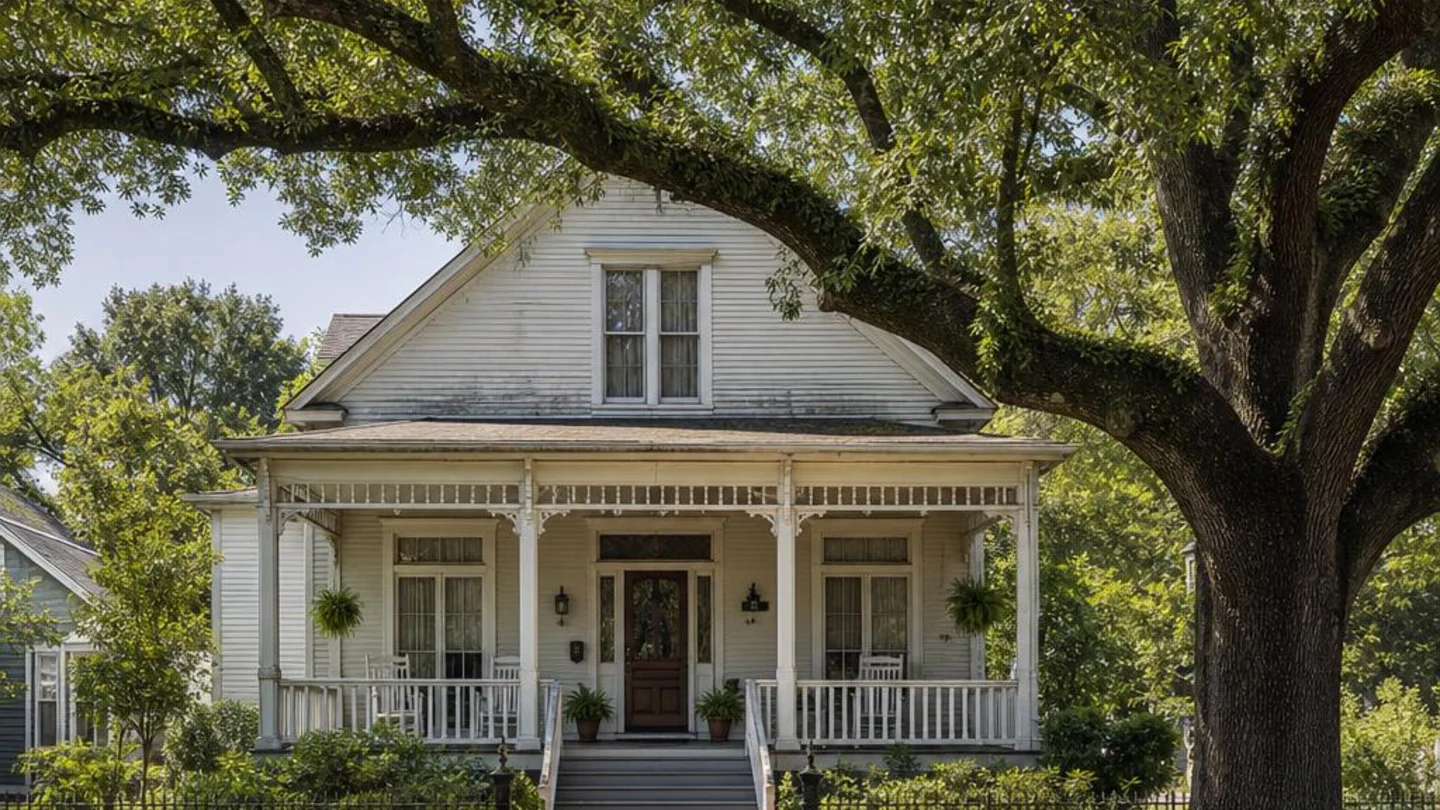
An old wooden house with a front porch
At a glance

What League City is known for

The places and things that make League City what it is, each covered in more detail on this site.

  • Clear Lake and South Shore Harbour. Clear Lake, the yachting capital of Texas, borders the city, and South Shore Harbour Marina has 855 slips and a landmark lighthouse. Read more →
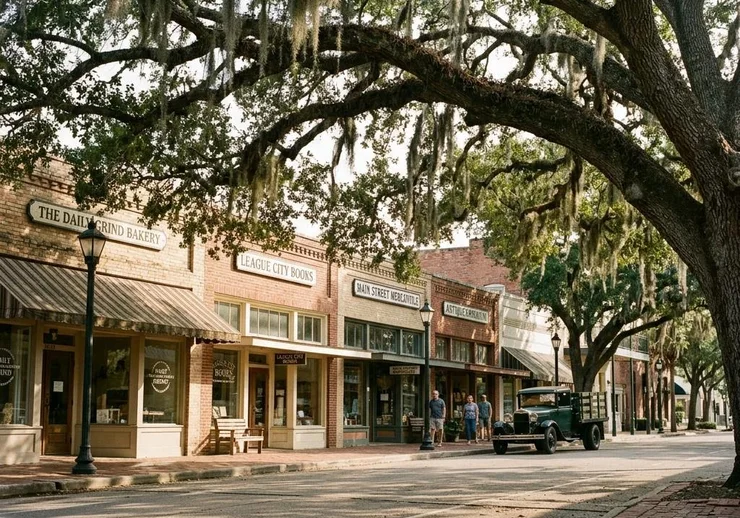
  • The Historic District and Main Street. Historic homes, boutiques, museums and gardens sit beneath live oaks in the old part of town. Read more →
  • The Butler Oaks. Live oaks delivered by railroad flatcar in 1907 and planted under George Butler's eye still line Main Street. Read more →
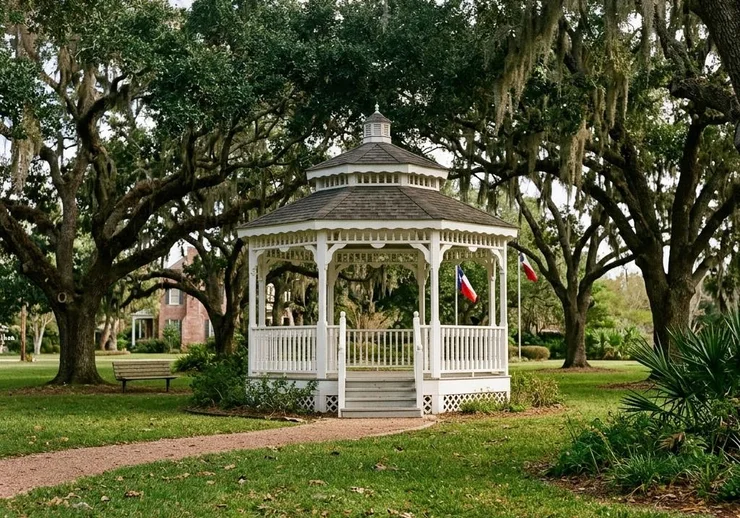
  • League Park and the railroad. J. C. League gave the town League Park, where the historic Station Master's House is now the Visitor Center. Read more →
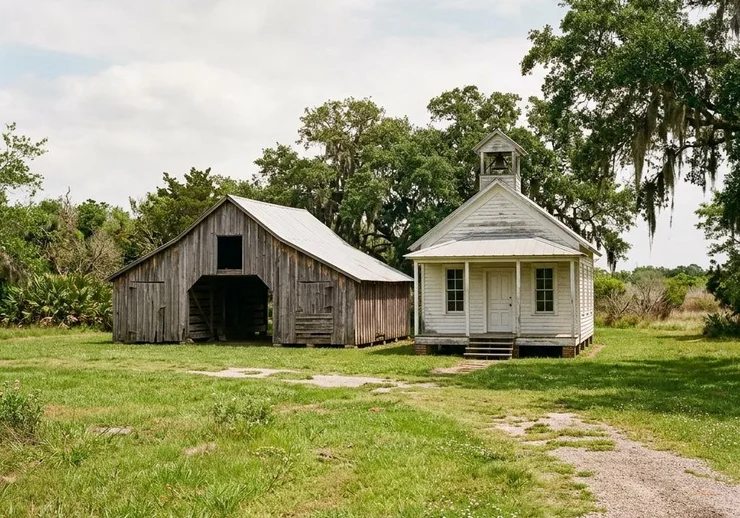
  • West Bay Common School Children's Museum. An 1898 one-room schoolhouse where kids spend a school day the 1890s way, next to the Barn Museum. Read more →
  • Helen's Garden. A garden with a waterfall that honors Helen Hall, who helped start League City's first library. Read more →
  • Clear Creek Paddle Trail. A 5.5-mile paddle on Clear Creek from Lynn Gripon Park at Countryside to Heritage Park, with a launch at Walter Hall Park. Read more →
  • Coastal birding and the Dudney Nature Center. League City is on the Clear Lake Loop of the Great Texas Coastal Birding Trail, anchored by the 148-acre Dudney Nature Center. Read more →
  • The Ballpark at League City. A 35-acre city sports complex with six replica major league stadiums. Read more →
  • Hometown Heroes Park. The hub of city recreation, with a rec center, a pool, soccer fields, a playground and a dog park. Read more →
  • Space Center Houston and Kemah Boardwalk. NASA's visitor center and the Kemah Boardwalk are both just minutes away. Read more →
  • Galveston Island beaches. For a Gulf beach, Galveston Island State Park has both beach and bay sides. Read more →
History

The story of League City

League City was settled on the former site of a Karankawa village. The Butler, Cowart and Perkins families are counted as its founders, and George W. Butler, who came from Louisiana in 1854, settled where Clear Creek meets Chigger Bayou. For years the area was simply Butler's Ranch or Clear Creek.

Then came the railroad. The Galveston, Houston and Henderson line arrived in 1859, the first to connect Galveston with the Texas mainland, passing through the area. J. C. League acquired the land from a man named Muldoon. After a tug-of-war over the name, League City won. League gave the town a park with a bandstand gazebo and land for a school, and in 1907 he had two flatcars of live oaks left by the tracks for residents to plant. Butler and his son Milby oversaw the planting, and those Butler Oaks still shade Main Street.

The old town is still easy to read. The Station Master's House, built between 1887 and 1897, is the Visitor Center. Butler's Courtyard, the first bank and first brick building, dates to 1909, and the 1898 one-room schoolhouse is now a children's museum. Helen Hall, born here in 1907, became the first female postmaster and helped found the library that carries her name.

League City incorporated in 1962, and South Shore Harbour Marina opened on Clear Lake in 1983. Between 2000 and 2005 League City passed Galveston as Galveston County's largest city, and the 2020 census counted 114,392 people.

Key dates

League City timeline

Key moments in the town's story. Each is explained and sourced in the questions below.

  1. 1854George W. Butler settles where Clear Creek meets Chigger Bayou.
  2. 1859The Galveston, Houston and Henderson Railroad comes through town.
  3. 1887-1897The Station Master's House is built in League Park.
  4. 1894The town's first school is built on land donated by J. C. League.
  5. 1898The one-room West Bay Common School is built.
  6. 1900A hurricane destroys League Park's first gazebo.
  7. 1907Two flatcars of live oaks arrive; the Butler Oaks are planted.
  8. 1909Butler's Courtyard opens as the first bank and first brick building.
  9. 1938The League City School, now the Community Center, is built.
  10. 1962League City incorporates as a city.
  11. 1976Today's League Park gazebo is built for the bicentennial.
  12. 1983South Shore Harbour Marina opens on Clear Lake.
  13. 1994Helen's Garden is created in memory of Helen Hall.
  14. 2020The census counts 114,392 residents.
Local questions, useful answers

What people ask about history

Select a question to open the answer. Each one links to the organization that keeps the details current.

HistoryHow did League City begin?

League City was settled on the former site of a Karankawa village. The Butler, Cowart and Perkins families are considered its founding families, and George W. Butler arrived in 1854.

Butler came from Louisiana and settled where Clear Creek meets Chigger Bayou. The Cowarts settled on what's now called Cowart's Creek, and the Perkins family built on a creek lined with magnolias they named Magnolia Bayou. The city has also recognized the Winfield family as a founding family.

The area was known as Butler's Ranch or Clear Creek until J. C. League bought the land.

Learn More
Texas (Wikipedia)League City

Reviewed November 2026

HistoryWho was League City named after?

The town is named for J. C. League, who acquired the land once known as Butler's Ranch or Clear Creek. After a back-and-forth over the name, League City won out.

The Galveston, Houston and Henderson Railroad came through in 1859, the first rail line to connect Galveston to the Texas mainland. Because Butler was the postmaster, the name switched several times between Clear Creek and League City before League City was chosen.

League also gave the town League Park, with its two-story bandstand gazebo, and donated the land for the town's first school.

Learn More
Texas (Wikipedia)League City

Reviewed November 2026

HistoryWhat are the Butler Oaks?

In 1907, J. C. League had two railroad flatcars of live oak trees left by the tracks for residents to plant. George Butler and his son Milby oversaw the planting, and many of those oaks still line Main Street.

The city describes its streets as lined with towering live oaks planted by its founders more than 100 years ago.

Learn More
Texas (Wikipedia)League City
City of League CityAbout League City

Reviewed November 2026

HistoryWhat's the story behind League Park's gazebo?

J. C. League gave League Park to the city with a two-story bandstand gazebo. The first gazebo was destroyed in the 1900 hurricane, the rebuilt one burned, and today's gazebo went up in 1976 for America's bicentennial.

A band played on the gazebo's upper floor while vendors sold refreshments such as ice cream below. The park has been a town gathering place for more than 100 years and was restored to its 19th-century look.

Learn More

Reviewed November 2026

HistoryWhat was the Station Master's House?

It was the home of the station master for the Galveston, Houston and Henderson Railroad, built between 1887 and 1897 in the Folk Victorian style. Today it holds the Visitor Center and Soulfreak Railroad Cafe.

Look for the jigsaw trim along the porch and the sunburst design in the gables. The house stands in League Park near the historic rail line, which was the first to connect Galveston to the Texas mainland.

Learn More

Reviewed November 2026

HistoryWhich historic buildings can I see in the Historic District?

Butler's Courtyard (1909) was League City's first bank and first brick building, and the T.J. and Mary Lelia Dick House (1904) is a Texas Historic Landmark. The 1898 one-room schoolhouse is open to visit.

  • Butler's Courtyard

    122 N. Michigan Ave.: since its bank days it has housed a post office, cafe, hardware store, drug store and apartments, and the original bank vault is still inside.

  • T.J. and Mary Lelia Dick House

    720 2nd St.: built in 1904 by Galveston County Commissioner T. J. Dick, mostly of cypress, on granite steps cut from the same stone as the Galveston Seawall. It became a Texas Historic Landmark in 1993.

  • West Bay Common School

    the 1898 schoolhouse stands on the site of the town's 1894 school, next to the Barn Museum, once the first fire station.

Most homes in the district are private, so enjoy them from the sidewalk.

Reviewed November 2026

HistoryWho was Helen Hall?

Helen Hall was born in League City in 1907, became the city's first female postmaster and helped establish its first library, which is named after her. She died in 1981.

In 1994 her husband, Walter Hall, created Helen's Garden in her memory through the League City Garden Club, where she had been a charter member. The library was renamed the Helen Hall Library in 1985.

Learn More
Texas (Wikipedia)League City

Reviewed November 2026

HistoryWhat is the old "Art Deco" school on Kansas Avenue?

It's the former League City School, a 1938 building at 400 S. Kansas Ave. Instead of letting it be torn down, the city renovated it into the League City Community Center.

The building was scheduled to be torn down in July 2021. Instead, the city leased it from CCISD for $1 a year for 50 years, and staff from several city departments renovated it. Its halls and classrooms now host youth and adult classes and camps.

Learn More
City of League CityCommunity Center

Reviewed November 2026

HistoryWhen did League City become a city, and how has it grown?

League City incorporated in 1962. Between 2000 and 2005 it passed Galveston to become Galveston County's largest city, and the 2020 census counted 114,392 people.

In the 2000s, rising real estate costs in Galveston forced many families to move to other areas, including League City.

Learn More
Texas (Wikipedia)League City

Reviewed November 2026

Spot something wrong or out of date? Let us know and we will check it against the source.